Description
Softer Supervised Protection Than A Hard Cone
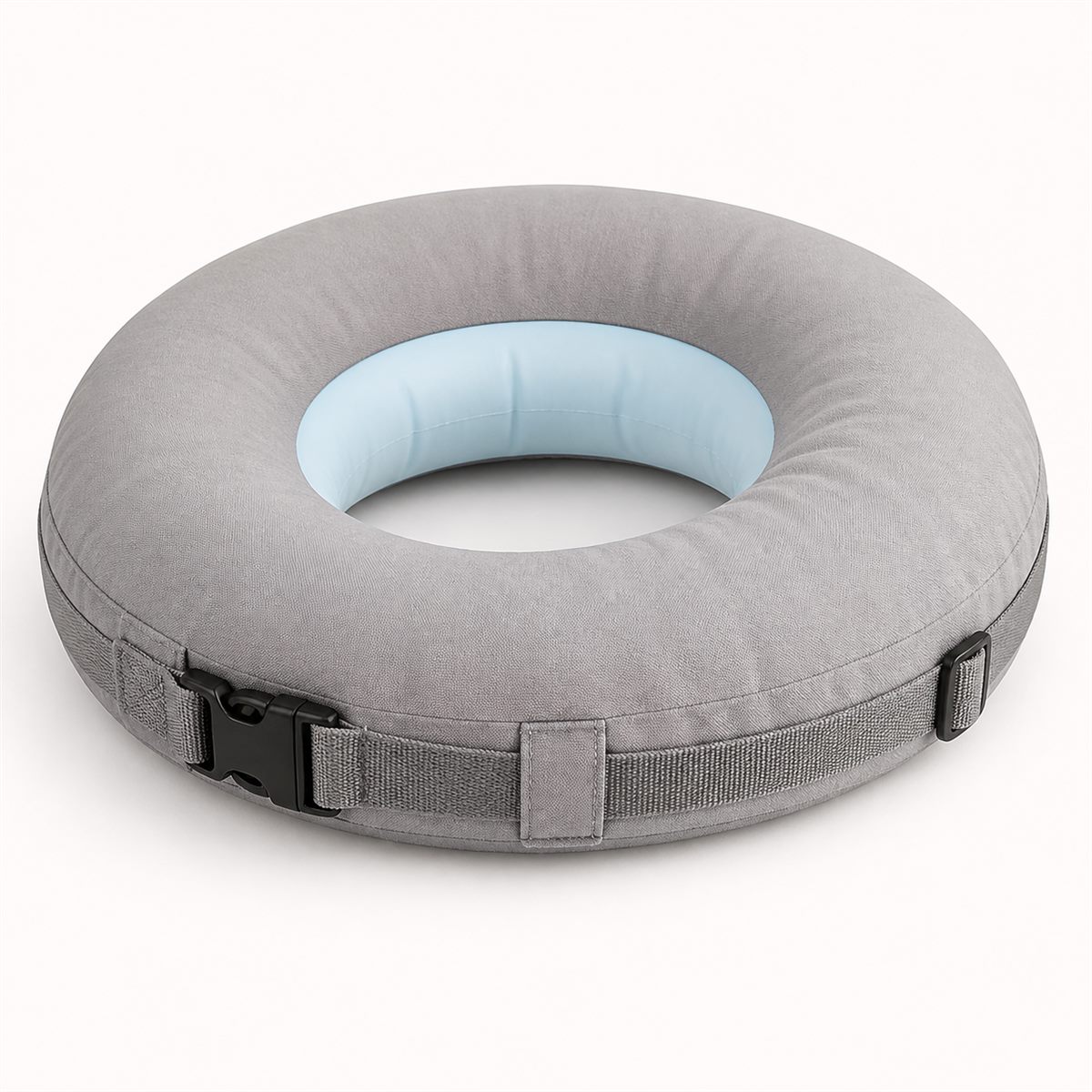
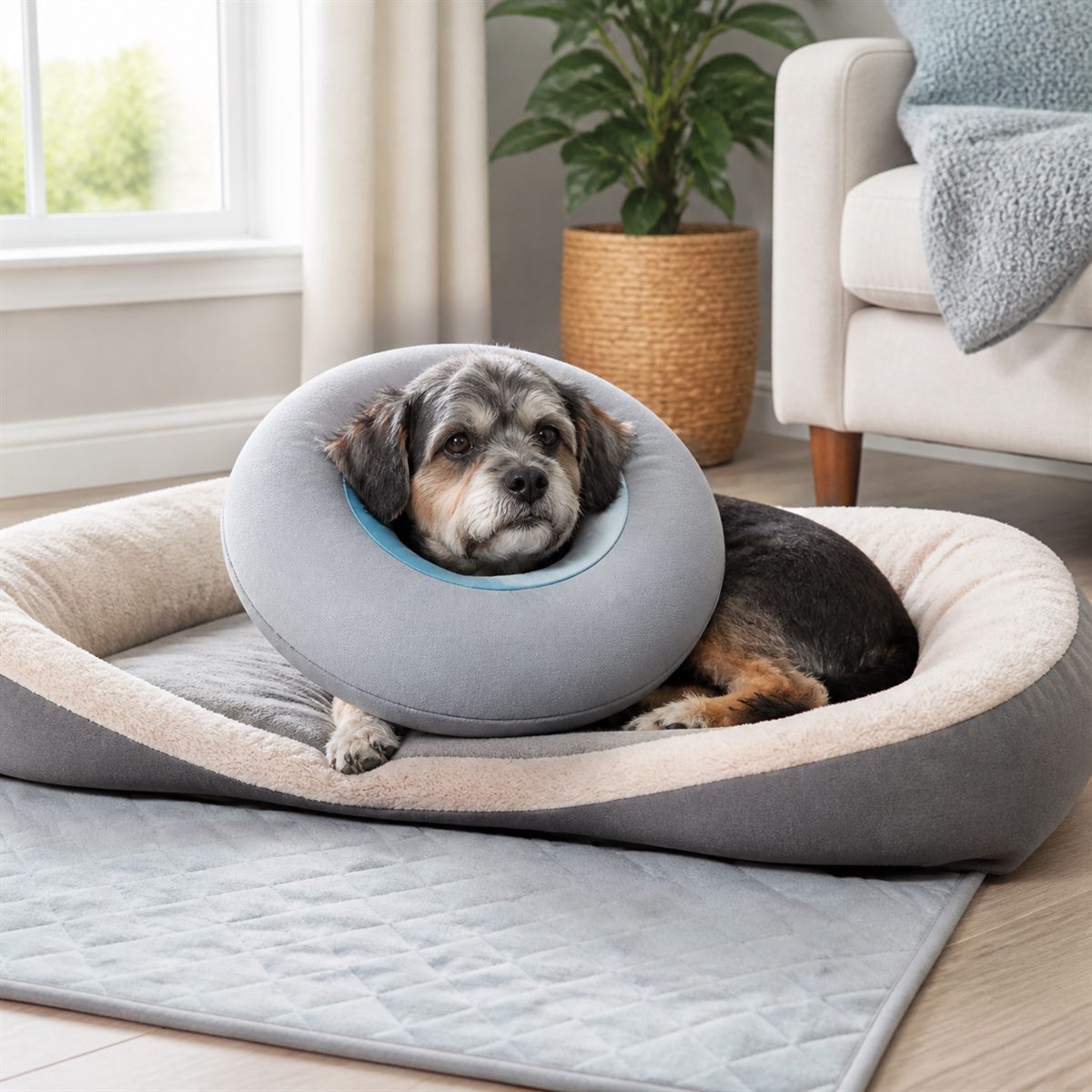
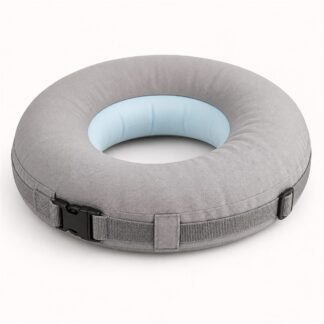
Older pets can struggle with rigid plastic cones because they bump into furniture, block peripheral vision, and make rest or feeding harder. This soft inflatable recovery collar gives pet parents a lighter donut-style option for supervised home care when a veterinarian allows a cone alternative.
Why Pet Parents Use It
- Inflatable donut shape: creates a cushioned neck barrier without covering the whole face.
- Open vision design: helps pets see, eat, drink, and rest more naturally than with many hard cones.
- Soft fabric cover: gentler against furniture, bedding, and daily resting spots.
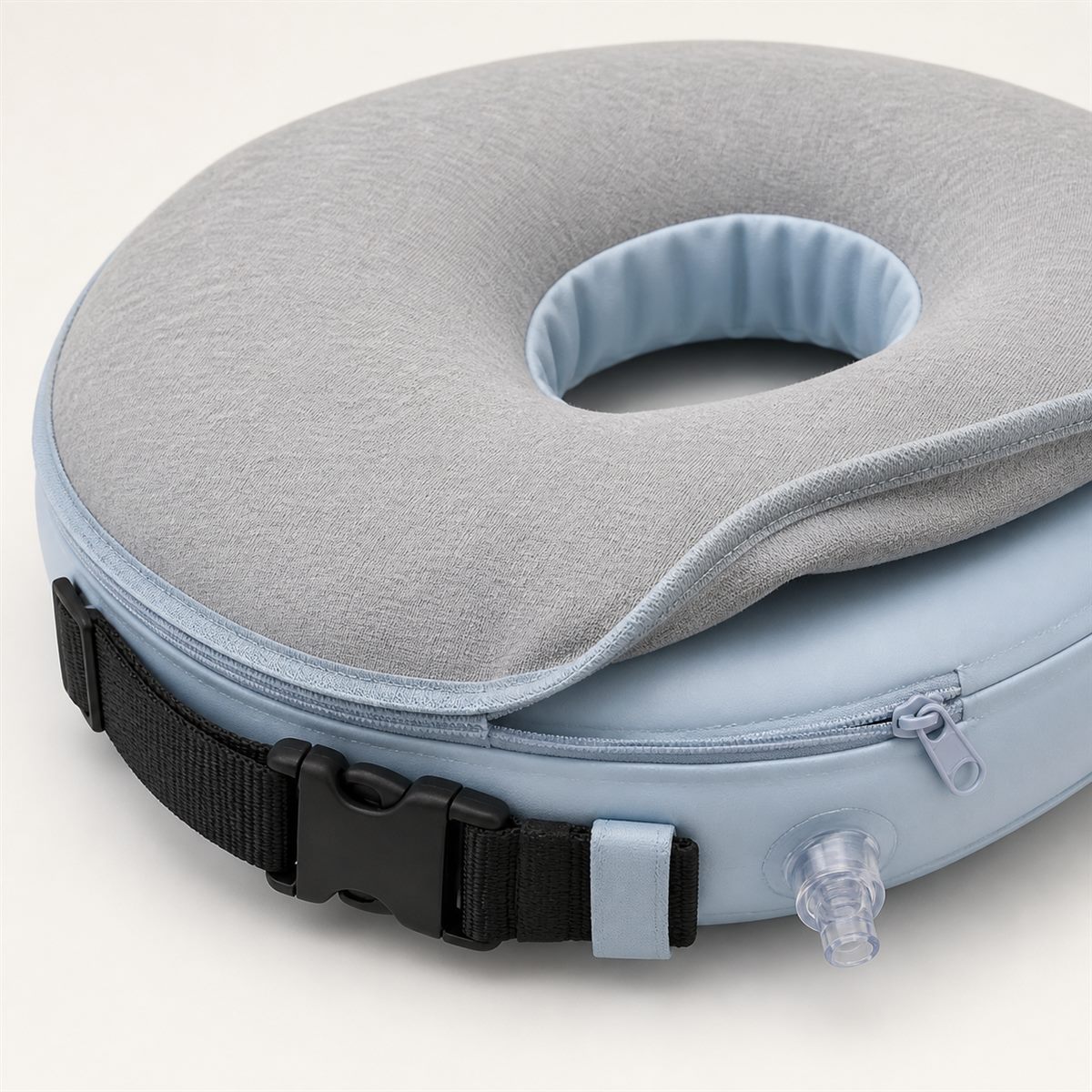
- Adjustable buckle strap: helps tune the fit around the neck for supervised wear.
- Removable cover detail: zipper-style construction supports easier cleaning after normal use.
Best For
- Small and medium dogs or cats that dislike a rigid cone and need a softer recovery-collar option.
- Senior pets that need calmer rest, easier feeding, and less furniture bumping during supervised care.
- Upper-body, neck, head, shoulder, or torso protection scenarios where a veterinarian says an inflatable collar is appropriate.
Specifications
| Product type | Soft inflatable pet recovery collar |
|---|---|
| Color | Gray outer cover with pale blue inner ring |
| Included | One inflatable recovery collar |
How To Use
- Measure your pet’s neck and compare it with the listed fit range before use.
- Inflate the inner collar until cushioned but not overfilled.
- Place the collar around the neck, fasten the buckle, and check that two fingers can fit comfortably between collar and neck.
- Watch your pet closely at first to confirm they cannot reach the protected area.
- Remove, clean, dry, and inspect the collar if it becomes soiled, deflates, tears, or irritates the skin.
Care And Safety Notes
- This collar helps reduce access to some lick or bite areas during supervised care. It does not treat wounds, guarantee protection, or replace a veterinarian’s recovery plan.
- Inflatable collars may not protect paws, tail, lower legs, long-bodied pets, very flexible pets, or determined chewers.
- Use a hard cone, recovery suit, or veterinarian-recommended option if your pet can still reach the area.
- Check fit, breathing, swallowing, skin condition, and inflation regularly. Stop use if the collar causes distress, rubbing, choking risk, or damage.
- For surgery, open wounds, infection, pain, medication, or activity restriction, follow veterinarian instructions first.
Reviews
There are no reviews yet.